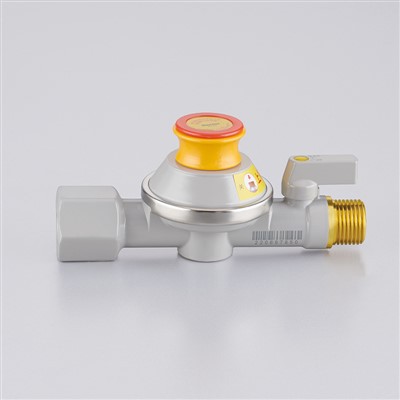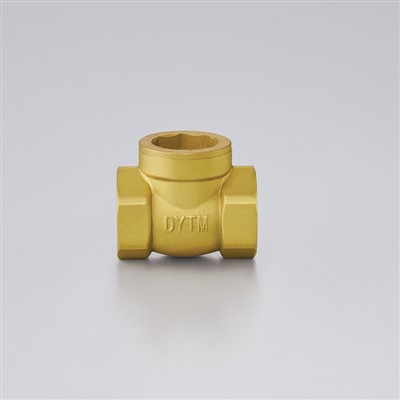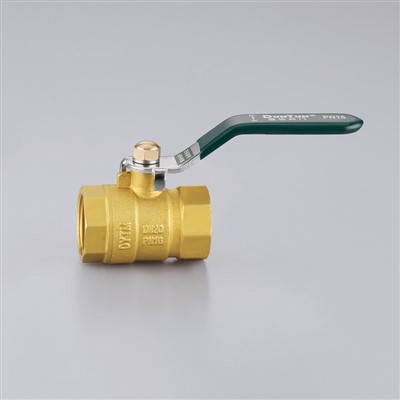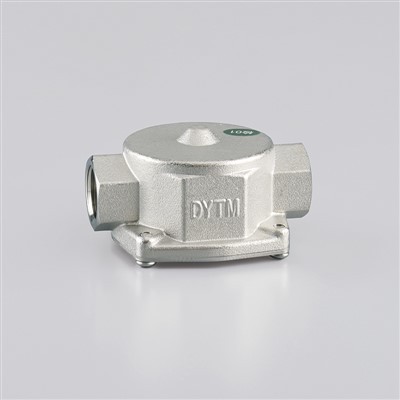
Relief gas valves play a crucial role in ensuring the safety and efficiency of gas systems. As a reputable gas valve supplier, I understand the importance of setting the pressure of a relief gas valve correctly. In this blog post, I will share some insights and steps on how to set the pressure of a relief gas valve.
Understanding the Basics of Relief Gas Valves
Before diving into the process of setting the pressure, it's essential to understand what a relief gas valve is and how it works. A relief gas valve is a safety device designed to protect a gas system from over - pressure situations. When the pressure in the system exceeds a pre - set limit, the relief valve opens to release the excess gas, preventing potential damage to the system and ensuring the safety of personnel.
The pressure setting of a relief gas valve is determined by the maximum allowable working pressure (MAWP) of the gas system. The MAWP is the highest pressure that the system can safely handle under normal operating conditions. The relief valve should be set to open at a pressure slightly above the MAWP to provide a margin of safety.
Factors Affecting Pressure Setting
Several factors need to be considered when setting the pressure of a relief gas valve:
- System Requirements: Different gas systems have different pressure requirements. For example, industrial gas systems may require higher pressure settings compared to residential gas systems. It's important to consult the system's design specifications and safety standards to determine the appropriate pressure setting.
- Gas Properties: The properties of the gas being used, such as its density, viscosity, and compressibility, can affect the pressure - relief process. Some gases may require special considerations when setting the valve pressure.
- Environmental Conditions: Environmental factors like temperature and altitude can also impact the pressure in the gas system. Higher temperatures can cause the gas to expand, increasing the pressure, while lower altitudes may result in higher atmospheric pressure.
Steps to Set the Pressure of a Relief Gas Valve
- Gather the Necessary Tools: You will need a pressure gauge, a wrench, and a screwdriver. Make sure the pressure gauge is calibrated and accurate.
- Isolate the Valve: Before making any adjustments, isolate the relief gas valve from the gas system. This can be done by closing the upstream and downstream valves.
- Locate the Adjustment Mechanism: Different relief gas valves have different adjustment mechanisms. Some valves have a screw or a nut that can be turned to increase or decrease the pressure setting, while others may have a spring - loaded mechanism. Refer to the valve's manual to locate the adjustment mechanism.
- Initial Pressure Check: Use the pressure gauge to measure the current pressure in the valve. This will give you a baseline for making adjustments.
- Make Adjustments: If the pressure needs to be increased, turn the adjustment screw or nut clockwise. If the pressure needs to be decreased, turn it counter - clockwise. Make small adjustments and re - check the pressure after each adjustment.
- Test the Valve: Once you have set the desired pressure, open the upstream valve slowly and allow the gas to flow through the system. Monitor the pressure gauge to ensure that the valve opens at the correct pressure.
- Finalize the Setting: If the valve opens at the correct pressure, lock the adjustment mechanism to prevent accidental changes. Re - check the pressure again to confirm the setting.
Importance of Proper Pressure Setting
Proper pressure setting of a relief gas valve is of utmost importance for several reasons:
- Safety: A correctly set relief valve can prevent over - pressure situations, which can lead to explosions, leaks, and other dangerous incidents.
- System Efficiency: When the valve is set at the right pressure, the gas system can operate more efficiently, reducing energy consumption and wear and tear on the equipment.
- Compliance: Many industries are subject to safety regulations and standards that require proper pressure setting of relief gas valves. Failure to comply with these regulations can result in fines and legal issues.
Our Gas Valve Products
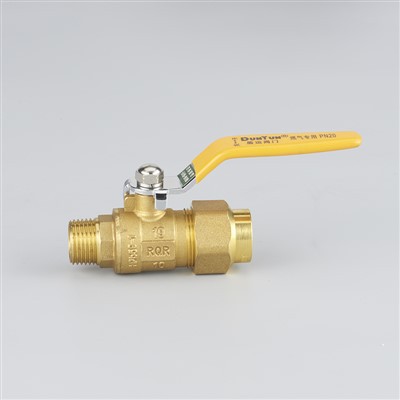
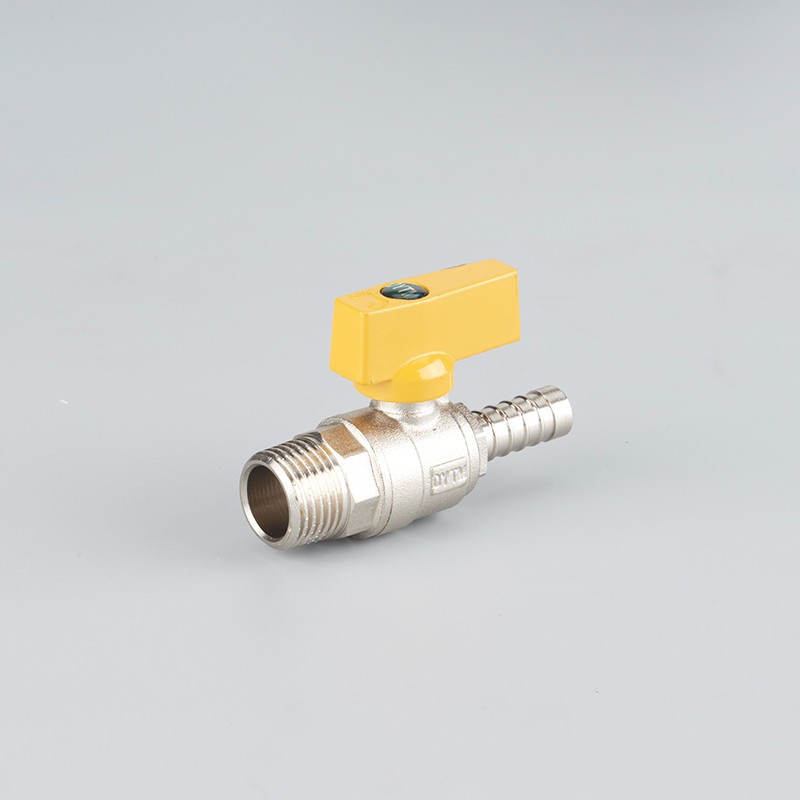
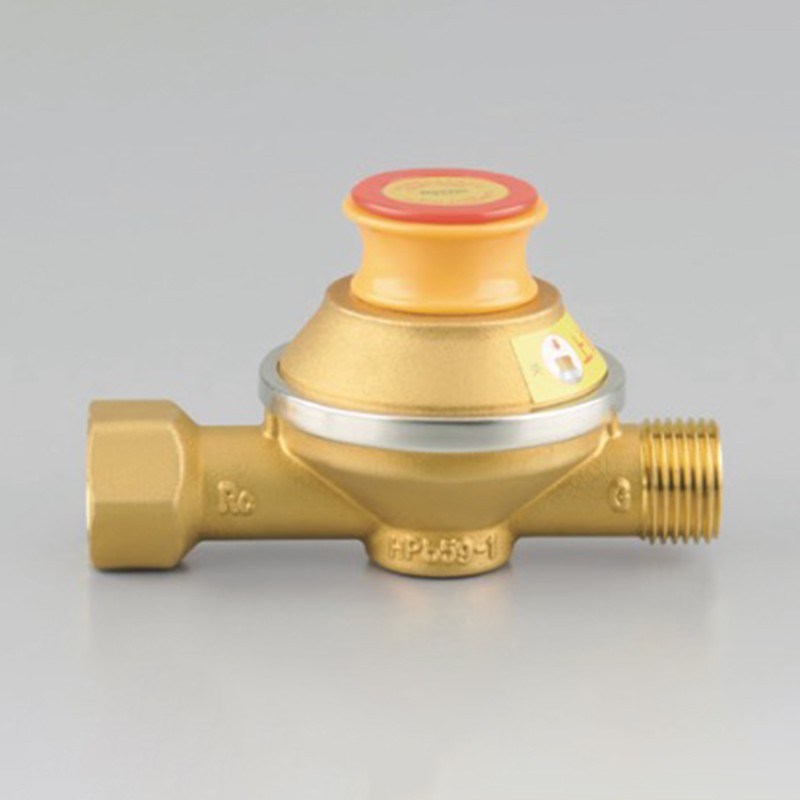
As a gas valve supplier, we offer a wide range of high - quality gas valves, including Gas Automatic Shut - off Valve, Brass Lockable Gas Valve, and Brass Butterfly Handle Gas Valve. Our valves are designed and manufactured to meet the highest safety and quality standards, ensuring reliable performance in various gas systems.
Contact Us for Procurement
If you are in need of gas valves or have any questions about setting the pressure of a relief gas valve, we are here to help. Our team of experts can provide you with professional advice and guidance. We welcome you to contact us for procurement and further discussions. Whether you are an industrial client or a residential user, we can offer the right solutions for your gas valve needs.
References
- API Standard 520, Sizing, Selection, and Installation of Pressure - Relieving Devices in Refineries
- ASME Boiler and Pressure Vessel Code, Section VIII, Division 1